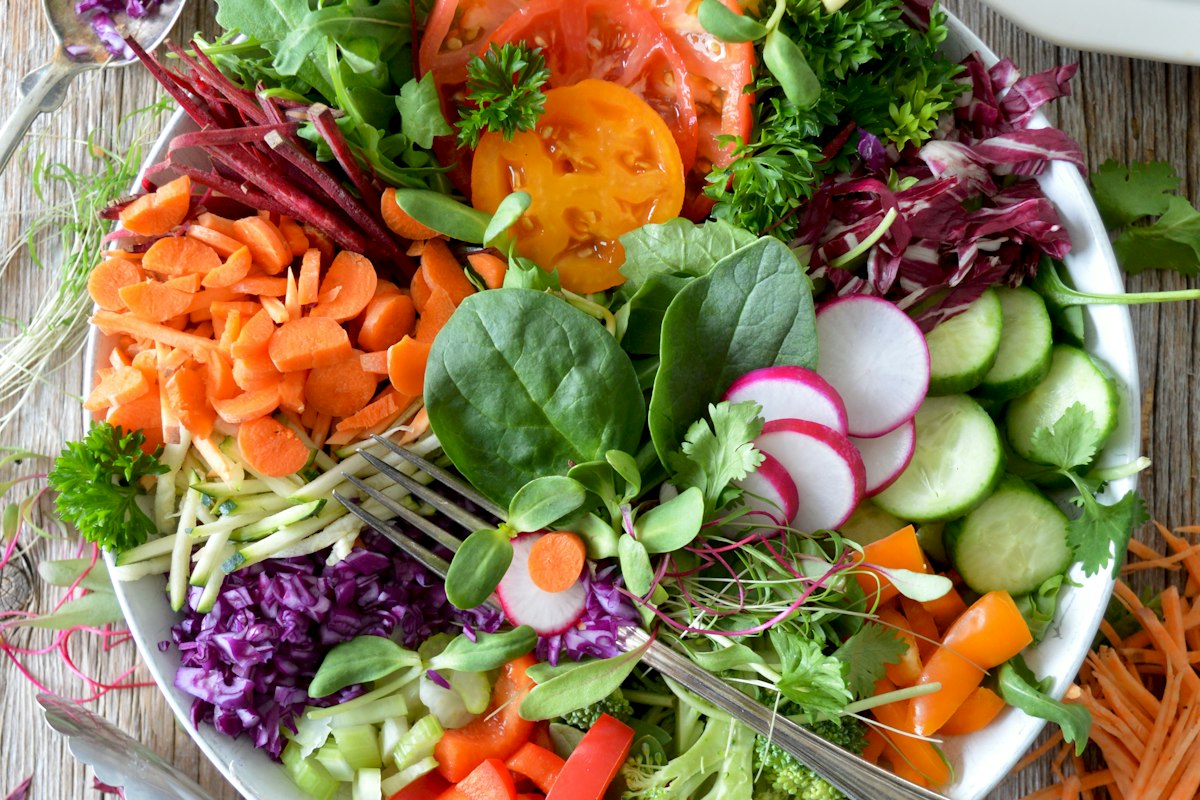
In an era where modern supermarkets and fitness influencers aggressively promote 200-gram daily protein targets, protein-infused snacks, and giant whey shakes, the idea of intentionally restricting your protein intake might sound completely counterintuitive.
Yet for millions of people worldwide living with Chronic Kidney Disease (CKD), hepatic impairment, or inborn amino acid disorders like Phenylketonuria (PKU), a high-protein diet is not a health booster—it is a direct biological hazard. For these individuals, a scientifically formulated Low-Protein Diet (LPD) is one of the most powerful, life-prolonging clinical interventions available.
However, successfully transitioning to a low-protein diet is notoriously challenging. Patients are often told to "cut protein," but are left wondering: What foods are actually low in protein? How do I get enough daily calories so I don't lose weight and muscle? What does a safe meal plan look like?
Let us demystify the science of protein restriction, explore the exact clinical targets, and provide a clear, practical roadmap for managing your health.
Why Is a Low-Protein Diet Prescribed? (The Kidney & Liver Connection)
To understand why medical doctors prescribe a low-protein diet, we must look at how the body metabolizes dietary amino acids.
Unlike carbohydrates and fats—which consist strictly of carbon, hydrogen, and oxygen and break down cleanly into carbon dioxide and water—protein molecules contain nitrogen. When your liver metabolizes excess protein, it strips off this nitrogen atom (a process called deamination) and converts it into ammonia and urea.
These nitrogenous wastes must then be eliminated from the bloodstream by microscopic filtering units in your kidneys called nephrons.
Chronic Kidney Disease (CKD)
In CKD stages 3 through 5 (non-dialysis), the number of functioning nephrons is drastically reduced. High protein intake forces the remaining nephrons into glomerular hyperfiltration, creating intense intraglomerular pressure that accelerates scarring and kidney failure. A low-protein diet reduces this workload and delays dialysis.
Hepatic Impairment & Cirrhosis
When severe liver disease compromises hepatic function, the liver cannot efficiently convert ammonia into urea. Ammonia builds up in the bloodstream and crosses the blood-brain barrier, triggering hepatic encephalopathy (confusion, lethargy, cognitive dysfunction). Lowering protein reduces circulating ammonia.
Metabolic Disorders (PKU)
In genetic conditions like Phenylketonuria (PKU) or Homocystinuria, the body lacks specific enzymes to break down particular amino acids (like phenylalanine). Protein must be strictly curtailed to prevent toxic build-up that causes irreversible neurological damage.
Clinical Protein Tiers: Exactly How Much Protein Is Allowed?
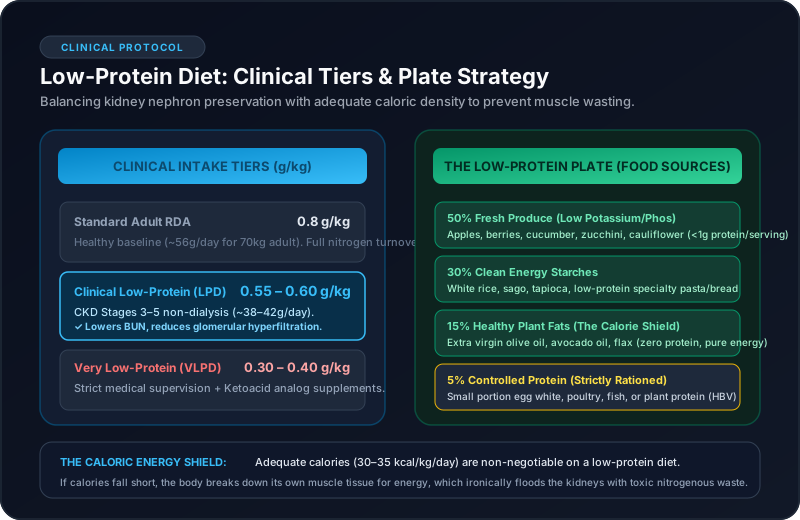
A low-protein diet is not zero-protein. Protein remains essential for basic life support, enzyme creation, and cellular turnover. The goal is to reach a precise therapeutic window that prevents nitrogen deficiency while blunting renal workload.
| Diet Protocol | Daily Protein Target | 70 kg (154 lb) Daily Total | Target Patient Population |
|---|---|---|---|
| Standard Adult RDA | 0.8 g/kg body weight | ~56 grams / day | Healthy sedentary adults with normal kidney and liver function. |
| Low-Protein Diet (LPD) | 0.55 – 0.60 g/kg | ~38 – 42 grams / day | Clinically stable CKD Stages 3–5 (eGFR < 60 mL/min, non-dialysis). |
| Very Low-Protein Diet (VLPD) | 0.28 – 0.40 g/kg | ~20 – 28 grams / day | Advanced CKD with severe uremia; MUST be paired with ketoacid/amino acid analogues. |
| Hemodialysis / Peritoneal Dialysis | 1.2 – 1.4 g/kg | ~84 – 98 grams / day | Dialysis filters out amino acids; protein needs REVERSE and increase sharply! |
The "High-Calorie, Low-Protein" Paradox: How to Prevent Muscle Wasting
The single most dangerous mistake patients make when starting a low-protein diet is simply removing high-protein foods from their plates without replacing the missing calories.
If you eliminate chicken, beef, fish, dairy, and eggs, you might inadvertently slash 600 to 1,000 calories from your daily diet. This places your body into an accidental, aggressive calorie deficit.
⚠ The Deadly Catch-22: Protein-Energy Wasting (PEW)
When your daily caloric intake drops below your metabolic expenditure, your body enters a starvation state. To survive, it begins catabolizing (breaking down) your own skeletal muscle tissue to burn for fuel.
When your body consumes its own muscle, massive amounts of endogenous amino acids are dumped into the bloodstream, producing a surge of nitrogen and creatinine. In other words, undereating calories causes the exact same toxic kidney overload you were trying to prevent!
The Solution: The "Calorie Shield"
Nephrology guidelines mandate that patients on a low-protein diet maintain a robust caloric intake of 30 to 35 calories per kilogram of body weight per day (approx. 2,100 to 2,450 kcal for a 70 kg individual).
To achieve this without raising protein, your plate must be powered by:
- Healthy Plant Fats: Extra virgin olive oil, avocado oil, and canola oil contain 0 grams of protein but provide 120 calories per tablespoon. Generously drizzling cold-pressed olive oil over roasted vegetables and rice is the safest, most effective way to protect your calorie floor.
- Low-Protein Clean Starches: White rice, sweet potatoes, sago, tapioca, and arrowroot deliver clean glucose for cellular energy with minimal nitrogen waste.
- Natural Simple Sugars: Honey, fruit jams, and pure maple syrup provide zero-protein calories to keep energy high during busy days.
Master Low-Protein Food Directory: What to Eat vs. What to Avoid
Here is your comprehensive clinical guide to grocery shopping and meal preparation on a low-protein diet:
Foods Encouraged (Low-Protein)
- Fresh Produce (<1g protein per serving): Apples, berries (blueberries, strawberries, raspberries), grapes, watermelon, peaches, pears, pineapple, cucumbers, zucchini, bell peppers, eggplant, and carrots.
- Zero-Protein Pure Fats: Extra virgin olive oil, avocado oil, flaxseed oil, unsalted butter, and coconut oil.
- Low-Protein Energy Starches: Tapioca pearls, sago, arrowroot starch, white rice (measured portions), sweet potatoes, and specialized medical low-protein breads and pastas.
- Beverages & Flavorings: Water, sparkling water with lemon, herbal teas, fruit juices (apple, cranberry), garlic, ginger, fresh herbs, and pepper.
Foods to Limit or Avoid (High-Protein)
- Animal Meats & Poultry (20–30g protein / 100g): Beef, pork, lamb, chicken breast, turkey, bacon, sausage, and organ meats.
- Seafood & Fish (20–28g protein / 100g): Salmon, tuna, cod, shrimp, crab, lobster, and canned fish.
- Dairy & Eggs (High Protein & Phosphorus): Cow's milk, hard cheeses, Greek yogurt, whole eggs, and whey/casein protein shakes.
- High-Protein Plant Sources: Soybeans, tofu, tempeh, edamame, lentils, chickpeas, kidney beans, peanuts, almonds, and protein-enriched plant milks.
Plant-Based Low-Protein Diets (PLADO) and Vegetarian Adaptations
Historically, renal nutritionists believed that animal proteins were superior because of their "High Biological Value" (HBV). However, revolutionary research led by nephrologists over the past five years has established the Plant-Based Low-Protein Diet (PLADO) protocol.
Clinical trials have demonstrated that when CKD patients derive the majority of their restricted protein from whole plants rather than animal meat, they experience several profound renal benefits:
- Lower Net Acid Excretion: Animal meat generates high amounts of sulfuric and phosphoric acid, which exacerbates metabolic acidosis. Plant foods have an alkalizing effect, reducing acid-induced nephron injury.
- Lower Phosphorus Bioavailability: Phosphorus in plant foods is bound to phytate, meaning human intestines only absorb 30% to 50% of it. In contrast, 80% to 100% of phosphorus in animal meats and processed food additives is absorbed directly into the blood.
- Reduced Gut Uremic Toxins: Plant dietary fiber nourishes gut microbiota, reducing the generation of indoxyl sulfate and p-cresyl sulfate—toxic uremic metabolites that accelerate cardiovascular death in renal patients.
Navigating Indian & Traditional Vegetarian Diets
Many people in India or following traditional vegetarian diets struggle with kidney prescriptions because cultural staples—such as dal (lentils), rajma (kidney beans), chole (chickpeas), and paneer (cottage cheese)—are very high in protein and phosphorus.
To successfully adopt a low-protein Indian diet:
- Replace heavy dal curries with gourd-based gravies: bottle gourd (lauki), ridge gourd (turai), ash gourd, and pointed gourd (parwal) are naturally low in protein and exceptionally gentle on the kidneys.
- Incorporate sago (sabudana) and tapioca: Sabudana khichdi cooked with cumin, olive oil, and potatoes provides high calories with virtually zero protein.
- Swap wheat roti for white rice: Roti made from whole wheat flour contains roughly 3.5g of protein per piece, whereas white rice provides clean calories with less metabolic acid load.
Sample 1-Day Low-Protein Meal Plan (Under 38g Protein, ~2,100 kcal)
Here is a realistic, delicious, nutrient-dense full-day meal plan demonstrating how to maintain high energy without exceeding clinical protein limits:
Breakfast: Cinnamon Berry Oatmeal Bowl
~6.5g Protein | 450 kcal1/2 cup rolled oats cooked in water with 1 tbsp chia seeds, 1/2 cup fresh wild blueberries, 1 tbsp pure honey, and a generous drizzle of 1 tbsp coconut oil or vegan butter.
Lunch: Mediterranean Olive Oil Rice Bowl
~9.0g Protein | 620 kcal1 cup steamed jasmine white rice topped with roasted zucchini, sautéed bell peppers, 1/2 medium sliced avocado, fresh oregano, and 2 tablespoons of extra virgin olive oil.
Afternoon Snack: Crisp Apple & Rice Crackers
~2.0g Protein | 310 kcal1 large sliced Honeycrisp apple dusted with cinnamon, paired with 4 plain rice cakes drizzled with 1 tablespoon of pure maple syrup.
Dinner: Low-Protein Garlic Herb Pasta & Salad
~11.5g Protein | 720 kcalSpecialized low-protein pasta tossed with roasted garlic, cherry tomatoes, baby spinach, fresh basil, and 2 tablespoons of olive oil. Served with a side salad of cucumber, shredded carrots, and vinaigrette.
Daily Nutritional Total
Ideal for a 60–70 kg patient prescribed a 0.55–0.60 g/kg renal protocol.
Know Your Numbers. Calculate Your Exact Daily Target.
Never guess your macronutrient intake when managing medical conditions. Use our clinical calculators to determine your exact daily protein gram limits and find your daily maintenance calories to prevent muscle loss.
Safety First: The Non-Negotiable Role of Medical Supervision
A low-protein diet is a powerful medical therapy, not a do-it-yourself internet weight loss hack. Healthy individuals with normal kidney and liver function should not adopt a low-protein diet, as it offers no athletic or aesthetic advantage.
If you have been diagnosed with kidney disease, liver dysfunction, or an amino acid disorder, you must work alongside a certified Registered Renal Dietitian (RD/RDN) and your nephrologist. They will regularly monitor your:
- Estimated Glomerular Filtration Rate (eGFR) and serum creatinine.
- Serum Albumin: to ensure you are not developing Protein-Energy Wasting.
- Serum Potassium and Phosphorus: to ensure your fruit and vegetable intake does not trigger hyperkalemia or bone mineral disease.
- Bicarbonate Levels: to ensure metabolic acidosis remains well-managed.
When properly formulated with high-calorie healthy fats, clean starches, and fresh produce, a low-protein diet is not a diet of deprivation—it is a proactive strategy to preserve your kidney function and enhance your long-term vitality.
Scientific References & Clinical Guidelines
These independent, authoritative sources inform the methods used on this page.
- National Kidney Foundation (NKF): KDOQI Clinical Practice Guideline for Nutrition in CKD (2020 Update)
- American Journal of Kidney Diseases: Dietary Protein Restriction in Non-Dialysis Dependent CKD (Hahn et al.)
- National Institutes of Health (NIH PMC7824653): Plant-Based Low-Protein Diets for Chronic Kidney Disease
- Harvard Health Publishing: When it comes to protein, how much is too much?
- Icahn School of Medicine at Mount Sinai: Clinical Nutrition Guidelines for Low-Protein Diets and Metabolic Disorders